About Breast Augmentation in La Jolla
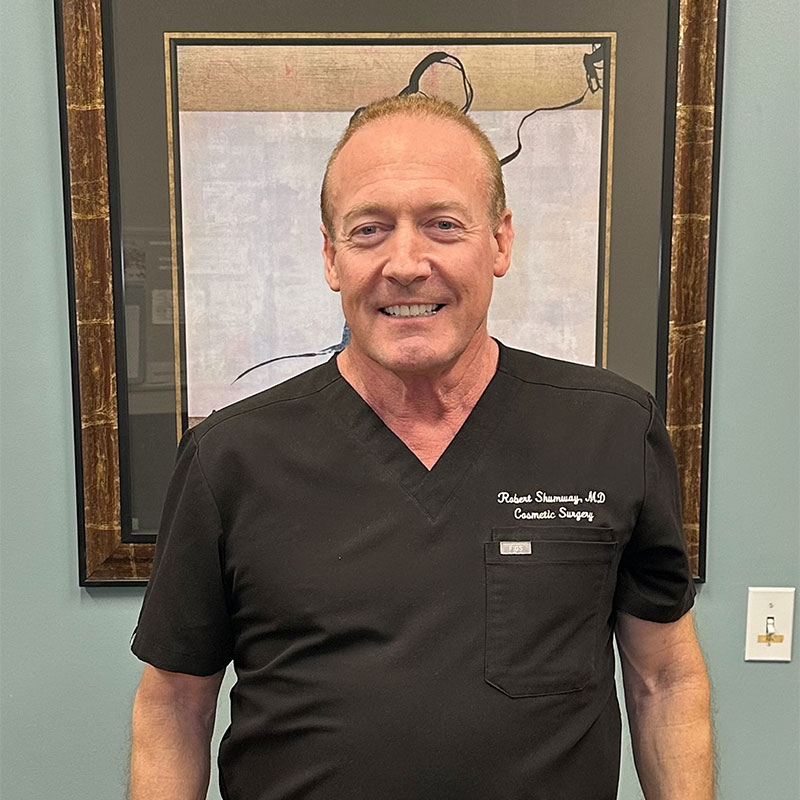
Meet Dr. Shumway
San Diego board-certified facial plastic and cosmetic surgeon Dr. Robert A. Shumway is the Medical Director of Shumway Cosmetic Surgery. With over 20 years of experience, he offers advanced face, breast, body, and skin procedures tailored to each patient’s goals. He is especially known for his expertise in transumbilical breast augmentation (TUBA), a scar-free implant technique performed through the navel, and was the first to bring it to Europe in 2018. Patients considering facial plastic surgery often look for a surgeon who treats the nose as part of the whole face, and Dr. Shumway’s attention to facial balance can help guide rhinoplasty procedures that look natural.
TUBA TECHNIQUE
- Quicker procedure time (under two hours)
- Less bleeding
- Faster recovery (back to work in as few as three days)
- Less breast trauma
- Lower risk of breast infection
- No breast scars
La Jolla Breast Augmentation Reviews
Breast Augmentation Ideal Candidates
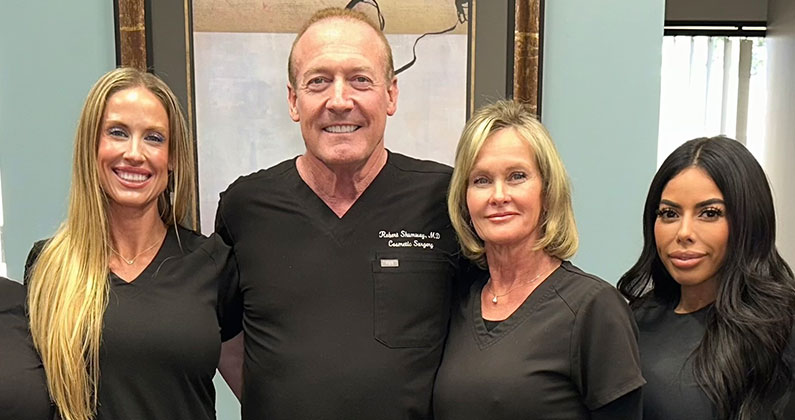
Schedule a Consultation
Ready to take the next step? Schedule your personal consultation with Dr. Shumway today and discover the best options to achieve your aesthetic goals. During your consultation, you can ask about rhinoplasty surgery, nose reshaping surgery, cosmetic rhinoplasty, or a nose job that also addresses breathing, and Dr. Shumway will explain which rhinoplasty procedures may suit you.
Breast Augmentation in La Jolla – Our Implant Options
Size
Shape
Volume
Symmetry
Fat Transfer Breast Augmentation
Fat transfer breast augmentation uses liposuction to harvest fat tissue from areas such as the abdomen or thighs, then places the purified fat graft in the breasts. A fat graft uses your own tissue, which is why the approach is also called autologous fat grafting, but fat transfer typically produces a smaller change in size than breast implants, and part of the fat graft may not survive. Because fat tissue is living tissue, results depend on how much of the transferred fat remains, and very thin women may have fewer options for fat transfer. A fat graft is not a substitute for implants when a larger change is the goal. Some women ask about using a fat graft to refine the contour around an implant, and Dr. Shumway can explain whether implants, a fat graft, or a combination is the better choice for your goals.Breast Augmentation Surgical Technique
Breast Augmentation What to Expect
Breast Implant Safety and Possible Complications
Like any cosmetic surgery, breast implant surgery carries risks, and understanding them helps breast implant patients make a confident decision about breast augmentation, and a plastic surgeon should explain each risk before you commit to surgery. As with all surgical procedures, possible complications include infection, bleeding, implant rupture, capsular contracture, and the need for a second operation or implant removal.Capsular Contracture and Scar Tissue
Your body naturally forms a thin layer of scar tissue around every breast implant. In some women, this scar tissue tightens around the implant, a complication called capsular contracture, which can cause firmness, a change in breast shape, and breast pain. Capsular contracture may be treated with a second operation if it occurs.Implant Rupture and Follow-Up Imaging
A saline breast implant that ruptures deflates, so the change is usually noticeable. A silicone breast implant rupture may cause no obvious symptoms, which is why periodic imaging is commonly recommended for women with silicone gel implants. A damaged implant is typically addressed with implant removal, and a breast implant rupture should always be evaluated.Breast Implant Illness and BIA-ALCL
Some women report symptoms such as fatigue, joint pain, and brain fog after receiving breast implants, a pattern often called breast implant illness. This pattern is not a formal medical diagnosis, and researchers continue to study whether implants play a role, so share any health concerns with Dr. Shumway. A rare condition called breast implant associated anaplastic large cell lymphoma (BIA-ALCL) has also been linked to textured devices. BIA-ALCL is a lymphoma of the immune system and is not breast cancer.La Jolla Breast Augmentation FAQs
Why do I have to stop smoking for implant surgery?
Cigarette smoking and the use of tobacco and/or other smoking products affects the blood supply to your tissues and skin, which in turn contributes to a much slower healing time. Smoking also increases the risk of bleeding, infections, capsular contracture (scar tissue buildup around the implant), and numerous other complications. Patients who undergo breast augmentation are typically asked to stop nicotine before and after surgery so that their incisions and breast implants heal as well as possible.
Do I have to sleep on my back forever after breast augmentation?
You are able to sleep on your back or either of your sides following surgery, but you must refrain from sleeping on your tummy for four weeks. Sleeping on your back can also help protect your breast implants while they settle.
Do I need a breast lift or a breast augmentation?
Your plan might include implants, a lift, or both. Breast lift surgery removes loose skin and raises the breasts while implants enhance the shape and size. In your consultation with Dr. Shumway, he will listen to your concerns and goals before discussing your treatment options. An augmentation and lift are usually included in a mommy makeover to revitalize the breasts after breastfeeding and pregnancy. A breast lift removes excess skin and raises the nipple position, while breast augmentation adds volume, so some women choose both to address sagging breasts. Combining surgical procedures can sometimes reduce the number of operations, but it also affects recovery, so the benefits and risks of each plan will be reviewed with you.
Should I wait until after I have children to get implants?
You can have your breast augmentation procedure before or after you have children. Keep in mind that your body will change after you have children no matter what. Some women prefer to wait until after they have been pregnant to correct loss of volume and sagging. Pregnancy and breastfeeding can change breast volume and breast shape, so discuss your plans with Dr. Shumway.
Can I breastfeed with implants?
If you might want to breastfeed after augmentation surgery, talk to Dr. Shumway during your consultation. It’s usually possible to breastfeed after augmentation surgery with the right placement and technique. Breastfeeding and pregnancy can affect your results, which is why it is better to wait until your family is complete to get breast surgery. The placement of your breast implants and the incision location can affect breastfeeding, so share your plans early.
Can I have my implants removed?
You might decide that you would like to remove or replace your implants. Should this happen, Dr. Shumway offers breast revision surgery. In revision surgery, your old implants will be either replaced with different implants or removed. If you want to have your implants removed, you might need to have a breast lift because larger implants may stretch your skin. For any concerns or questions after your augmentation surgery, schedule a consultation at Shumway Cosmetic Surgery to learn more about your options. Implant removal can be performed on its own or together with a breast lift to restore the shape of the breast, and implants removed because of a complication can often be replaced during the same surgery.
When can I start cardio exercises after implants?
You may return to light exercise after three weeks. Avoid strenuous workouts and sports activities for the first eight weeks. Physical injury to your breasts will affect the healing process and could cause a hematoma to form or excessive bleeding.
Can I take hormone therapy to enlarge my breasts?
Hormone therapy can increase breast size, but it is not recommended for this purpose by Dr. Shumway. If you want fuller breasts, Dr. Shumway can review options such as breast implants and fat transfer breast augmentation during your consultation.
What is breast augmentation?
Breast augmentation is a surgical procedure that involves inserting implants (saline or silicone) under the breast tissue or chest muscles to increase breast size or restore volume lost after weight loss or pregnancy. Breast augmentation is also called augmentation mammoplasty, and it is an elective cosmetic surgery procedure and one of the most requested cosmetic procedures for women.
Who is a good candidate for breast augmentation?
Ideal candidates are healthy individuals who have realistic expectations about the procedure. You should be in good overall health, not pregnant or breastfeeding, and have fully developed breasts. It’s also important to have clear goals about what you want to achieve with the surgery. Dr. Shumway works with patients throughout San Diego, La Jolla, and Southern California to help ensure those goals are met safely and effectively. A plastic surgeon with training in plastic and reconstructive surgery will assess your health, your breast anatomy, and your goals before recommending breast augmentation. Because plastic surgery is a personal decision, you should feel comfortable asking about breast implants, recovery, and every other surgical procedure.
What types of breast implants are available?
There are two main types of implants:
– Saline Implants: Filled with sterile salt water, they are adjustable and slightly firmer in feel.
– Silicone Implants: Filled with a gel-like substance, they feel more like natural breast tissue and are often preferred by women looking for a more natural look and feel. Both types of breast implants have a silicone shell, and each can be tailored to your frame.
What's the difference between submuscular and subglandular implant placement?
• Submuscular (under the muscle): The implant is placed beneath the chest muscle, offering a more natural look and reducing the risk of complications like capsular contracture.
– Subglandular (above the muscle): The implant is placed directly under the breast tissue. This option can be less painful post-surgery, but may show more visible rippling in thinner patients. Dr. Shumway will recommend the best approach for your unique anatomy and goals.
How long does the surgery take?
Breast augmentation surgery typically takes about 1 to 2 hours, depending on the complexity of the procedure and the type of implant used. As an outpatient procedure, breast augmentation surgery typically allows you to recover at home after a short stay in the recovery area.
What's the recovery process like?
Recovery time varies from person to person, but generally, you can expect:
– Initial recovery: 1–2 weeks of rest, avoiding heavy lifting or strenuous activity.
– Full recovery: Most people return to normal activities within 4–6 weeks, although the final results may take several months to fully reveal themselves as swelling goes down. Your breast implants will settle gradually, and your care team will explain each stage of healing.
How soon can I leave the house after breast augmentation?
Most patients feel up to leaving the house within a day or two after breast augmentation, although you should avoid strenuous activity until your surgeon clears you.
How much time off work will I need after breast augmentation surgery?
You will need to take at least three days off from work after breast augmentation surgery, and many patients take longer depending on the demands of their job. Your surgeon will advise you when to return based on your recovery.
Will I need drainage tubes after breast augmentation?
If you have drainage tubes after breast augmentation, your surgeon will tell you when to return to have them removed.
When will my stitches be removed after breast augmentation?
If your incisions are closed with stitches that need removal, your surgeon will probably remove them about one week after breast augmentation surgery.
Why do my breasts sit high on my chest after breast augmentation?
Your breasts may seem to sit high on the chest at first after breast augmentation, which is normal, as they will settle into their optimal position over the next several weeks.
What are the signs of infection after breast augmentation?
If you experience warmth and redness in your breast or develop a fever after breast augmentation, contact your surgeon promptly, as these could be signs of infection.
Will there be scars after surgery?
Yes, there will be some scarring, but Dr. Shumway makes incisions in less noticeable areas such as the crease under the breast, around the areola, or in the armpit (depending on your choice of implant placement). Scars typically fade over time and can be minimized with proper aftercare. Scar tissue forms as part of normal healing, and an incision in the inframammary fold typically fades over time.
How long will the implants last?
While breast implants are not lifetime devices, they can last anywhere from 10 to 20 years. Many women choose to have them replaced or removed at some point in the future. Regular check-ups with Dr. Shumway at his San Diego office can help monitor the health of your implants. Implant removal or replacement may be recommended if there is a rupture, capsular contracture, or a change in size.
What are the risks associated with breast augmentation?
Like any surgery, breast augmentation carries some risks, including:
– Infection
– Scarring
– Capsular contracture (hardening of the tissue around the implant)
– Implant rupture or leakage (especially in saline implants)
– Changes in nipple or breast sensation (temporary or permanent)Dr. Shumway will review these possible complications with you before surgery, including how they apply to your breast implants.
How do I choose the right size for my breast implants?
Choosing the right implant size depends on various factors such as your body type, breast anatomy, and desired look. Dr. Shumway will guide you through the process, taking into consideration factors like your chest width, breast tissue, and personal preferences. Reviewing before-and-after photos of breast implants in patients with a similar frame can also help, and your breast implants should look proportionate to your shoulders and hips.
Will my breasts look natural after surgery?
Breast augmentation can provide very natural-looking results, especially when done by an experienced surgeon like Dr. Shumway. The key to achieving a natural appearance is choosing the right size, shape, and type of implant for your body. Many women prefer silicone implants for a softer, more natural feel. Silicone breast implants tend to feel softer to many women, while saline-filled implants can feel firmer, and the amount of breast tissue covering the implant also matters.
How much does breast augmentation cost?
The cost of breast augmentation can vary widely depending on factors such as location, the type of implants used, the surgeon’s experience, and the complexity of the procedure. On average, the cost ranges from $8,000 to $10,000, but it’s important to discuss the pricing during your consultation with Dr. Shumway. Ask what your estimate includes, such as the breast implants, anesthesia, and facility fees.
Is financing available for breast augmentation?
Most cosmetic surgeons offer multiple financing options to help patients fit breast augmentation into their budget, so ask our team about the options available to you.
How can I find the right surgeon for breast augmentation?
It’s essential to choose a surgeon who specializes in breast augmentation. If you’re in the San Diego area, which includes La Jolla, Chula Vista, and Oceanside, Dr. Shumway offers decades of experience and personalized, boutique-style care. Schedule a consultation to discuss your goals, ask questions, and get a sense of his expertise and approach. Look for a board-certified plastic surgeon with training in plastic and reconstructive surgery who performs breast augmentation regularly and who shows you realistic breast augmentation results.
Are breast implants FDA approved?
Both silicone and saline devices are FDA approved for breast augmentation in women who meet the age requirements. Every breast implant device has its own size, shape, and surface, and Dr. Shumway can explain the features of the device that suits your goals.
What is the difference between saline and silicone breast implants?
Silicone breast implants are filled with silicone gel, while saline breast implants are filled with sterile saline solution during surgery. Many modern silicone devices use cohesive silicone gel that tends to stay together, and many women find that silicone implants feel closer to natural breast tissue, and saline-filled devices can be adjusted slightly in volume during surgery. Dr. Shumway can show you how each type looks and feels so you can choose the breast implants that best suit your frame and goals.
Can breast implants fix sagging breasts?
Breast implants add breast volume, but they do not lift sagging breasts on their own. If your nipples sit below the breast crease, a breast lift with augmentation may be recommended, which raises the breast and restores fullness. A breast lift can also refine the shape of augmented breasts that have changed after pregnancy or weight loss.
How does breast augmentation differ from breast reconstruction?
Breast augmentation enhances the size and shape of healthy breasts, while breast reconstruction rebuilds the breast after a mastectomy, an injury, or a congenital difference. Reconstructive breast surgery may use implants, your own tissue, or both, and the plan depends on your medical history. Reconstruction falls under plastic and reconstructive surgery, and it is a separate process from elective augmentation. A consultation with a plastic surgeon trained in plastic and reconstructive surgery can clarify which path fits your situation.
What is breast implant illness, and is it the same as BIA-ALCL?
Breast implant illness is a term some women use for symptoms such as fatigue, joint pain, and brain fog after receiving implants. It is not a formal medical diagnosis, and research is ongoing, so please share any symptoms with your surgeon. It is separate from breast implant associated anaplastic large cell lymphoma, a rare lymphoma linked to textured devices that is not breast cancer.
Will breast implants affect breast cancer screening?
Breast implants can make breast imaging more complex, but women with implants should continue routine screening. Tell your imaging center about your implants so that additional views can be used, and ask whether ultrasound or magnetic resonance imaging is appropriate. If you have a personal or family history of breast cancer, please share it with Dr. Shumway before breast augmentation surgery.
How do I prepare to undergo breast augmentation?
Preparing well for plastic surgery can help you undergo breast augmentation with confidence. Before breast implant surgery, your plastic surgeon will give specific instructions about medications, nicotine, and the night before surgery, and you should arrange a ride home because it is an outpatient procedure. Like any cosmetic surgery, breast augmentation goes more smoothly when you plan ahead for time off and support at home.
How soon will I see my breast augmentation results?
You will notice a change in breast size right away, but swelling can hide your final breast shape for several weeks. Breast augmentation results continue to refine as the implants settle, and many patients see their final look within a few months after breast augmentation surgery.
Do breast implants need to be monitored?
Regular check-ups help your plastic surgeon monitor your breast implants, and periodic breast imaging is recommended for women with silicone gel implants. Women with textured devices should also know the signs of breast implant associated anaplastic large cell lymphoma, such as sudden swelling or fluid around the implant, and report them promptly. Contact our office if you notice a change in firmness, shape, or discomfort, because those changes may signal capsular contracture or an implant rupture.
Can breast implants rupture, and how would I know?
Breast implants can rupture. If a saline-filled implant ruptures, the breast becomes noticeably smaller, and you will be aware of it. A rupture of a silicone device may cause no obvious symptoms, so silicone devices are monitored with ultrasound or other imaging as recommended by your surgeon. Any suspected implant rupture should be evaluated promptly.
Is breast augmentation safe?
Breast augmentation surgery is commonly performed, and like any plastic surgery, it carries risks. Choosing a board-certified plastic surgeon with training in plastic and reconstructive surgery, following your instructions, and attending your follow-up visits all help support a safe breast augmentation, as with other surgical procedures.
Can breast implants be placed through the belly button?
Yes. With the TUBA technique, a saline-filled implant is placed through a small incision at the navel, which avoids an incision on the breast. Not every patient is a candidate, and Dr. Shumway will explain whether TUBA or traditional breast augmentation surgery is the better option for your breast implants and goals.
How should I care for my breast implants after surgery?
Wear the supportive bra you are given, follow your activity restrictions, and attend every follow-up visit so your surgeon can check your breast implants as they settle. Contact our office if you notice sudden swelling, redness, or a change in the shape of your breasts after breast augmentation.
Is breast augmentation recovery painful?
Most patients experience mild to moderate discomfort for a few days, which is managed with prescribed medication, and swelling usually peaks around 72 hours after breast augmentation.
Will weight loss or pregnancy change my results?
Significant weight loss can reduce breast volume and change breast size, and pregnancy and breastfeeding can alter breast shape. If you are planning weight loss, or have recently lost weight, discuss it with your plastic surgeon so that your surgery can be planned accordingly. A stable weight helps protect your results, and a breast lift can refine the shape of augmented breasts that have changed over time.
What are the benefits of breast augmentation?
The benefits of breast augmentation can include fuller breasts, improved symmetry, and breast volume restored after pregnancy or weight loss. Many women also report feeling more confident in clothing, although breast augmentation results are personal, so a plastic surgeon can explain what is realistic, and breast implants cannot lift sagging breasts on their own.
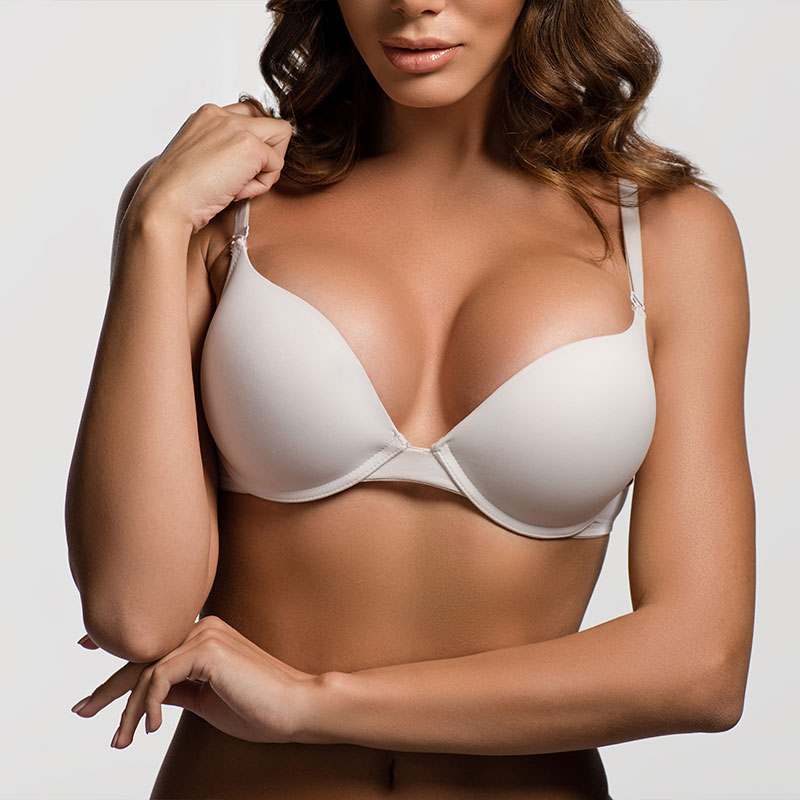
View Our Gallery
Curious about what’s possible? Explore our before and after gallery to see real results from real patients at Shumway Plastic Surgery. Seeing how rhinoplasty surgery and nose reshaping change the nasal tip, nose shape, and facial balance can help you picture your own goals before surgery.

Plan Your Procedure
- Starting
- From $5,500
- Average Procedure Time
- 2 Hours
- Procedure Recovery Location
- Outpatient
