Rhinoplasty with Dr. Shumway | San Diego, CA
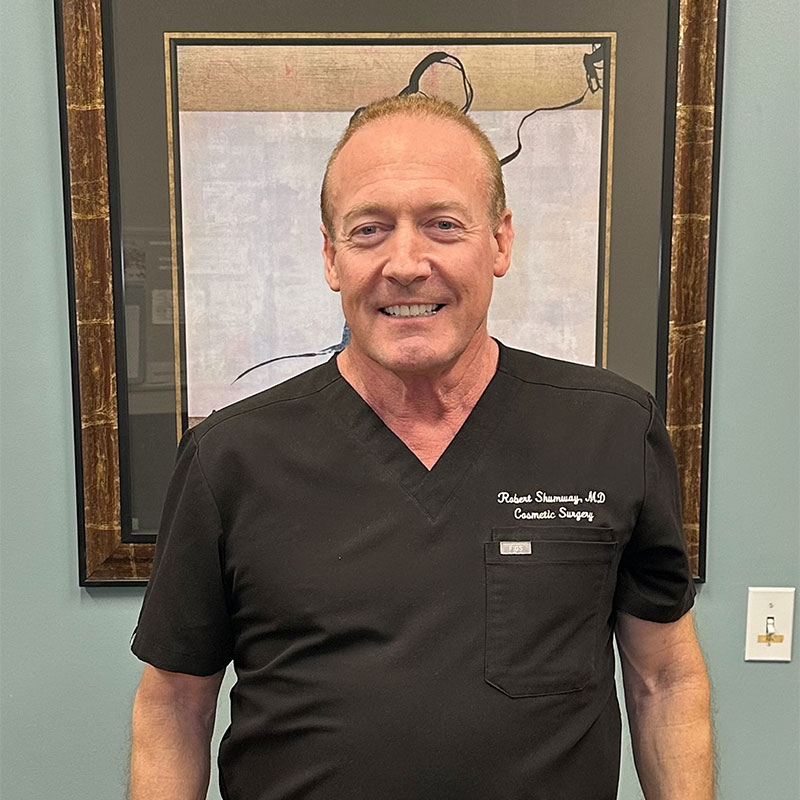
Meet Dr. Shumway
San Diego board-certified facial plastic and cosmetic surgeon Dr. Robert A. Shumway is the Medical Director of Shumway Cosmetic Surgery. With over 20 years of experience, he offers advanced face, breast, body, and skin procedures tailored to each patient’s goals. He is especially known for his expertise in transumbilical breast augmentation (TUBA), a scar-free implant technique performed through the navel, and was the first to bring it to Europe in 2018. Patients considering facial plastic surgery often look for a surgeon who treats the nose as part of the whole face, and Dr. Shumway’s attention to facial balance can help guide rhinoplasty procedures that look natural.
La Jolla Rhinoplasty Reviews
Rhinoplasty – Ideal Candidates
Understanding Nasal Anatomy
Understanding nasal anatomy helps explain how rhinoplasty surgery can change both the look and the function of the nose. The upper part of the nose is formed by the nasal bones, while the lower part is shaped by cartilage that gives the nasal tip its form. Inside the nose, the nasal septum divides the nasal passages, and the nasal valve is the narrowest part of the nasal airway. Because each of these structures affects airflow, a plan that respects nasal support and the rest of the nasal structure is important for both appearance and nasal function. Surgeons personalize each plan to your anatomy, and the nasal tip, nasal bones, and nasal skin all influence what can be changed in the nasal shape. Thicker nasal skin, for example, may hide fine definition at the nose tip, and the angle of the nose tip in relation to the upper lip also affects how balanced the profile looks, while thinner skin may show more detail, so a plan should consider the soft tissues as well as the bone and cartilage.Functional Rhinoplasty and Breathing
Functional rhinoplasty, a part of facial plastic surgery, is designed to improve nasal function, and in many cases it can improve breathing while also refining appearance. A deviated septum, in which the nasal septum is shifted to one side, is a common cause of nasal blockage, and septal deviation can narrow the nasal airway on one or both sides. Narrowing of the nasal valve or enlarged nasal tissues in the nasal passages can also contribute to difficulty breathing, breathing problems, and breathing difficulties. An obstructed airway after an injury that affected the nasal septum, a deviated septum, or a crooked nose may all call for evaluation. As a facial plastic and cosmetic surgeon, Dr. Shumway may combine functional rhinoplasty with cosmetic rhinoplasty so that a single surgery can improve breathing and refine the nasal contour together, and he will review your medical history to help plan the safest approach.How to Prepare for Rhinoplasty Surgery
Preparation for rhinoplasty surgery begins at your plastic surgery consultation, where Dr. Shumway reviews your nose reshaping goals and examines your nose, inside and outside. Whichever rhinoplasty procedure you choose, you may be asked to stop certain medications or supplements beforehand, as is common among plastic surgeons, and following the surgeon’s instructions before and after surgery can help your recovery go smoothly. Because rhinoplasty is typically an outpatient procedure, arrange for a responsible adult to take you home, and because rhinoplasty procedures vary, Dr. Shumway’s team will explain what else to plan for.Rhinoplasty – Surgical Technique
Closed and Open Rhinoplasty: What Is the Difference?
Closed rhinoplasty is performed through incisions hidden inside the nostrils, which avoids an external incision and may be appropriate for select patients who need more limited changes. Open rhinoplasty adds a small incision across the base of the nose, which allows Dr. Shumway to lift the nasal skin and see the nasal structure, including the nasal bones, more directly. Open rhinoplasty can be especially useful for more detailed nose reshaping of the nasal tip, smoothing a dorsal hump, significant asymmetry, or revision rhinoplasty, while closed rhinoplasty can be a good fit when changes are more limited. Many patients ask which approach is better, and the answer depends on your anatomy and goals. Both open rhinoplasty and closed rhinoplasty are surgical rhinoplasty techniques. Surgeons personalize the technique to each patient, and Dr. Shumway will explain which approach he recommends during your consultation.Cartilage Grafts and Nasal Reconstruction
In some cases, cartilage grafts may be used to support the nasal structure or reshape the nasal tip. Depending on your anatomy, cartilage grafts may come from the septum, the ear, or, in some situations, rib cartilage. When injury, previous surgeries, or birth defects have affected the nose, nasal reconstruction may be part of the discussion, and reconstructive surgery techniques can help restore both form and function. Dr. Shumway will explain which options may be appropriate for you.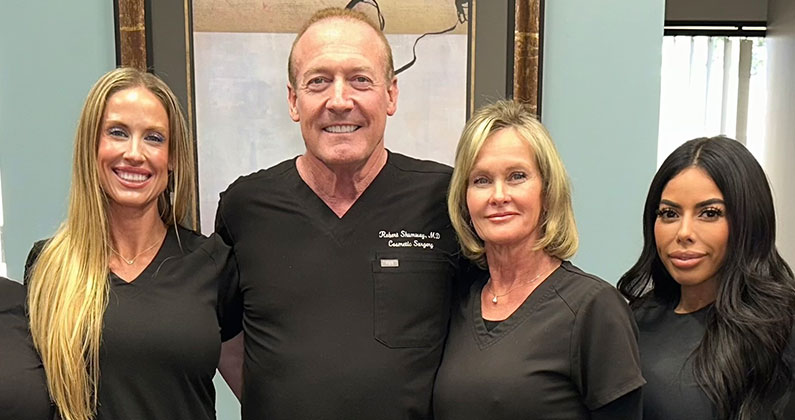
Schedule a Consultation
Ready to take the next step? Schedule your personal consultation with Dr. Shumway today and discover the best options to achieve your aesthetic goals. During your consultation, you can ask about rhinoplasty surgery, nose reshaping surgery, cosmetic rhinoplasty, or a nose job that also addresses breathing, and Dr. Shumway will explain which rhinoplasty procedures may suit you.
La Jolla Rhinoplasty – What to Expect
Choosing a Plastic Surgeon for Rhinoplasty
When you are comparing plastic surgeons for rhinoplasty surgery, look for experience with the specific rhinoplasty procedures you are considering, including primary rhinoplasty, revision rhinoplasty, and open rhinoplasty. Because rhinoplasty is a specialized area of facial plastic surgery, ask about training, review before and after photos, and choose a facial plastic surgeon or cosmetic surgeon who listens to your goals and explains the benefits and risks clearly. Dr. Shumway is a facial plastic and cosmetic surgeon who evaluates the nose in the context of the whole face. His approach to facial plastic surgery aims for natural-looking nose reshaping that stays in proportion to your other features, and patients considering a nose job or other plastic surgery often appreciate a surgeon who favors subtle, proportionate change.Rhinoplasty San Diego – FAQs
Will my insurance cover functional nose surgery?
Although rhinoplasty for cosmetic reasons is not paid by insurance, functional rhinoplasty that is medically necessary to improve your breathing may be covered. If you may be applying for reimbursement from your insurance, please tell Dr. Shumway in your consultation. We can help you submit any needed information and paperwork to your insurance to process your claim. Cosmetic rhinoplasty is typically considered elective, while functional rhinoplasty to improve nasal function and breathing may be reviewed differently by each insurer.
Are there nonsurgical options to change my nose?
If you want to smooth lumps and bumps on your nose, a wrinkle filler (like Restylane or Juvéderm) might be an option. A filler can temporarily improve minor imperfections, which might help you decide to get a rhinoplasty. Nose surgery is better for larger changes, long-lasting results, and to adjust the internal structure for better function. At your consultation, Dr. Shumway can tell you more about nonsurgical nose reshaping. Dermal fillers are temporary, so patients who want a lasting change to a nasal hump, a crooked nose, or the nose shape may consider nose reshaping surgery instead.
Can I combine nose surgery with other facial surgeries?
Some patients think about combining rhinoplasty with another procedure, like cheek or chin augmentation. Having multiple surgeries for a dramatic result can be reviewed during your consultation with Dr. Shumway. Once he understands your goals, he can help you choose which procedures will be in your custom plan. Rhinoplasty can help your whole face appear more balanced so you should wait to see your results before getting another procedure. A nose job can create facial balance when it is planned alongside other features, and Dr. Shumway may discuss facial plastic surgery options and rhinoplasty procedures once your goals are clear.
What is rhinoplasty?
Rhinoplasty, commonly known as a “nose job,” is a surgical procedure designed to change the shape, size, or function of the nose. It can be performed for cosmetic reasons to enhance appearance or for medical reasons to improve breathing or correct structural defects like a deviated septum. Rhinoplasty surgery can also address the nasal septum, the nasal passages, and the nasal airway when breathing is affected, and it can refine the nasal tip and the overall nose shape.
Why do people get rhinoplasty?
People opt for rhinoplasty for various reasons:
• Cosmetic: To enhance facial harmony by reshaping the nose, making it proportionate to other features. Cosmetic rhinoplasty may also improve facial balance.
• Medical: To improve breathing issues, such as those caused by a deviated septum or other nasal obstructions.
• Reconstructive: After injury or trauma to the nose to restore its natural shape and function. This may include nasal reconstruction as part of reconstructive surgery, depending on the injury.
How is rhinoplasty performed?
Rhinoplasty is performed under general or local anesthesia. The surgeon makes incisions either inside the nostrils (closed rhinoplasty) or across the base of the nose (open rhinoplasty). The skin is then lifted to expose the bone and cartilage, which are reshaped as needed. Afterward, the skin is re-draped, and the incisions are closed. Dr. Shumway will explain which anesthesia option is best for your nose job, and because the bone and cartilage are reshaped during surgery, cartilage grafts may be used when extra support is needed.
What is the recovery time after rhinoplasty?
The recovery time varies from person to person. Generally, the initial healing period takes about 1-2 weeks, during which time swelling and bruising around the eyes and nose are common. Full recovery and the final results may take up to a year, as the nose continues to settle into its new shape. Because nose reshaping continues to settle for up to a year, patience is part of the process, and the nose tip may stay slightly swollen the longest.
What are the risks associated with rhinoplasty?
While rhinoplasty is generally a safe procedure, like all surgeries, it carries some risks, including:
• Infection
• Scarring
• Bleeding
• Breathing difficulties
• Unsatisfactory cosmetic results (sometimes requiring revision surgery)
• Anesthesia risks
Choosing an experienced surgeon like Dr. Shumway can minimize these risks. A cosmetic surgeon who explains each risk clearly can help you feel prepared for rhinoplasty surgery.
Is rhinoplasty painful?
Most patients report mild discomfort following rhinoplasty, which can be managed with prescribed pain medications. Swelling and bruising are common, but severe pain is rare. The level of discomfort usually decreases within a few days after surgery.
When can I return to work or normal activities?
For most patients, a return to light activities can be done after 1-2 weeks, when the majority of swelling and bruising has subsided. However, it’s recommended to avoid strenuous activities, such as exercise or heavy lifting, for 4-6 weeks to allow the nose to fully heal.
Can rhinoplasty fix breathing problems?
Yes, rhinoplasty can address structural issues that impair breathing, such as a deviated septum or nasal valve collapse. If breathing problems are the primary concern, functional rhinoplasty may be performed alongside cosmetic enhancements. Functional rhinoplasty surgery can improve breathing by straightening a deviated septum or supporting the nasal valve, and Dr. Shumway can combine it with cosmetic rhinoplasty so the nose looks and works better.
What can I expect during the consultation?
During your consultation, Dr. Shumway will assess the structure of your nose and face, discuss your goals, and explain the different types of rhinoplasty techniques. They may take photographs for planning purposes and offer a detailed explanation of the procedure, risks, and recovery. Dr. Shumway will also evaluate your breathing function, your nasal anatomy, and the desired shape you have in mind before recommending rhinoplasty surgery.
How soon will I see results?
While initial changes can be seen after the swelling goes down, the final results of rhinoplasty may take up to a year to fully appear. The shape and symmetry of your nose will continue to refine and settle over time.
Can rhinoplasty be combined with other procedures?
Yes, rhinoplasty can be performed in conjunction with other cosmetic procedures, such as chin augmentation, facelifts, or eyelid surgery. Many people choose to combine procedures to achieve a more harmonious facial appearance. Some patients combine rhinoplasty with a facelift or neck surgery, though each rhinoplasty procedure is planned individually.
Who is a good candidate for rhinoplasty?
Ideal candidates are those in good physical health, have realistic expectations, and are dissatisfied with the appearance or function of their nose. It’s important that the nose has fully developed (usually after age 16 for women and 18 for men) before undergoing surgery. If you are thinking about a nose job, it helps to know that facial growth continues into the late teens, so Dr. Shumway considers both age and facial maturity when deciding whether rhinoplasty is appropriate.
How much does rhinoplasty cost?
The cost of rhinoplasty varies depending on factors such as the surgeon’s expertise, geographic location, and the complexity of the procedure. On average, the price ranges from $5,000 to $15,000. Insurance may cover the procedure if it is done for medical reasons, such as fixing a deviated septum. A nose job may cost more when open rhinoplasty, cartilage grafts, or revision rhinoplasty are needed, so a personalized quote from Dr. Shumway is the best way to understand your investment.
How do I choose the right surgeon?
When choosing a rhinoplasty surgeon, ensure they are very experienced and specialize in the rhinoplasty procedure. Look for someone with experience specifically in rhinoplasty and review before-and-after photos of previous patients. A consultation is an essential opportunity to ask questions and assess the surgeon’s expertise. When comparing plastic surgeons, ask whether the surgeon is a facial plastic surgeon or a cosmetic surgeon with extensive nose experience, and ask how many rhinoplasty procedures they perform each year.
Will I need revision rhinoplasty?
In some cases, patients may choose to undergo revision rhinoplasty to refine or correct issues from the original surgery. While complications are rare, some individuals may require additional surgery to achieve their desired results. It’s important to follow post-operative care instructions and give your nose time to fully heal before considering any revisions. Secondary rhinoplasty is another term for revision surgery on a nose that has had a previous procedure, while a primary rhinoplasty is the first surgery. Dr. Shumway can explain whether a revision rhinoplasty is appropriate, and patients who have had previous surgeries on the nose may need a detailed evaluation of the remaining nasal structure.
View Our Gallery
Curious about what’s possible? Explore our before and after gallery to see real results from real patients at Shumway Plastic Surgery. Seeing how rhinoplasty surgery and nose reshaping change the nasal tip, nose shape, and facial balance can help you picture your own goals before surgery.

Plan Your Procedure
- Starting
- From $5,500
- Average Procedure Time
- 2 – 4 Hours
- Procedure Recovery Location
- Outpatient
To Your Nose Job Recovery & Beyond
Related Procedures
 Facelift
 Brow Lift
 Neck Lift
 Eyelid Lift
 Ear Surgery
 Chin Augmentation
 Cheek Augmentation
 Septoplasty
 Revision Rhinoplasty
 Facial Fat Grafting
Related Posts
How to Prepare Yourself for Rhinoplasty
For many people who desire a ‘nose job,’ or rhinoplasty, the hesitancy to commit to surgery often has more to do with not knowing what to expect.
ReadThe Five Most Popular Cosmetic Surgery Procedures
These are the top five most popular plastic surgery procedures being performed by cosmetic surgeons in San Diego today.
ReadHow to Fix a Crooked Nose
Nose surgery, formally known as rhinoplasty, is one option for fixing crookedness and creating a more symmetrical look to the face.
ReadCosmetic Surgery for Men: It’s Not Just for Women Anymore
Listen up, guys. We don’t know what you’ve heard, but you don’t have to live with a spare tire around your waist or sagging skin on your neck anymore.
Read